How to Stop a Dog Attack in Seconds: Emergency Techniques That Work
Jun 13, 2025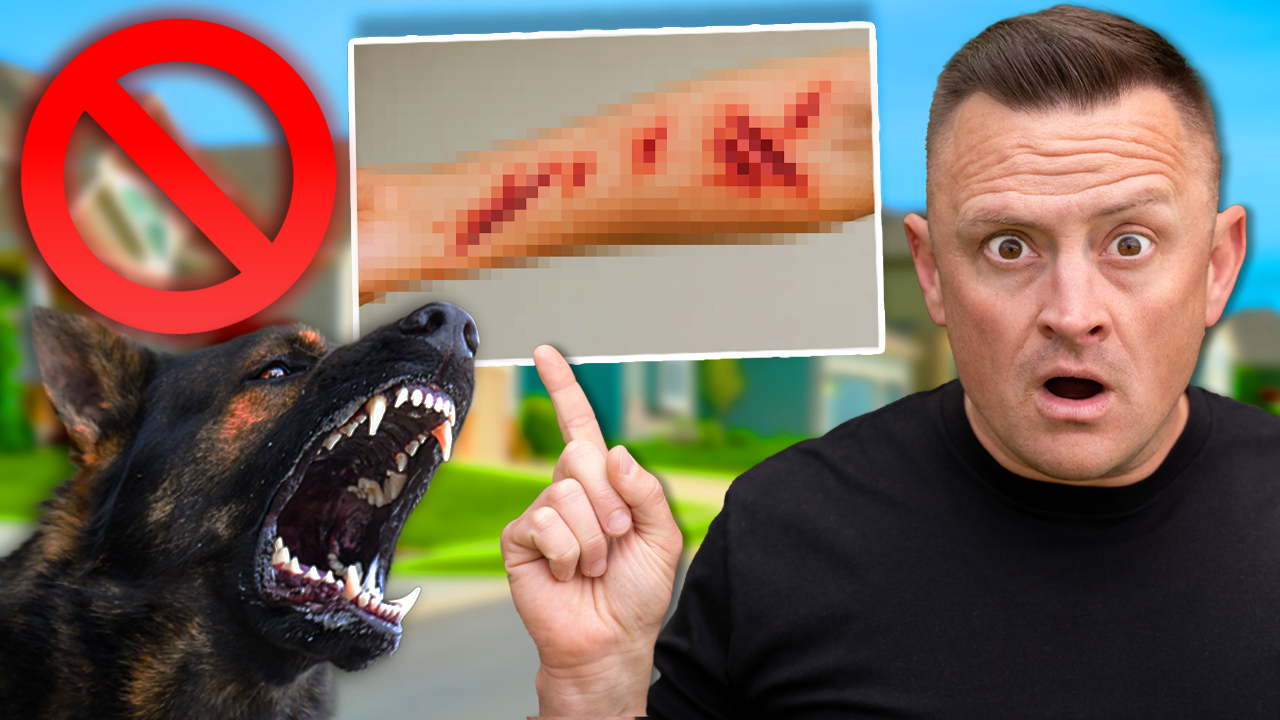
When every second counts, knowing the right emergency response can help end a dangerous dog bite faster and reduce the risk of serious injury.
Most people never expect to witness a serious dog attack—until it happens. In those moments, panic, yelling, and internet myths don't help. This guide breaks down the emergency techniques used by experienced police K9 handlers to stop a dog bite as quickly as possible, while also explaining common mistakes people make during an attack.
Important: These techniques are presented for educational purposes in emergency situations where immediate action may be necessary to prevent serious injury.
Key Takeaways
- Most commonly shared internet "dog fight hacks" are unreliable and often ineffective during a real attack.
- Pulling a biting dog backward usually triggers opposition reflex, causing it to bite harder.
- If the dog is wearing a collar, lifting it high behind the jaw and ears can be an effective emergency removal method.
- A slip leash can serve the same purpose when no collar is available.
- Every emergency is different, so maintaining control of the dog after it releases is just as important as getting it to let go.
- The safest outcome is always preventing attacks through responsible training, supervision, and proper handling before an emergency occurs.
Why This Matters
Dog attacks happen far more often than most people realize. Every year, millions of dog bites are reported, and hundreds of thousands require medical treatment. In the worst cases, attacks leave victims with permanent physical injuries, emotional trauma, or worse.
Unfortunately, very few people are taught what to do when a dog refuses to release its bite. Instead, they panic, freeze, or rely on advice they've seen online that simply doesn't work under pressure.
Having a plan before an emergency happens can make all the difference.
What Doesn't Work
When a serious dog bite occurs, people often resort to instinct rather than strategy.
Common responses include:
- Punching or kicking the dog
- Pulling the dog backward
- Spraying water
- Using household objects like brooms or mops
- Screaming or yelling
While these reactions are understandable, they often fail to end the bite and may even intensify the dog's grip due to its natural opposition reflex.
The key isn't using more force—it's understanding how to safely interrupt the dog's ability to continue biting.
Technique 1: High-and-Tight Collar Lift
If the attacking dog is wearing a collar, the quickest option may be using that collar to gain control.
Rather than pulling backward, move the collar as high as possible behind the dog's jaw and ears. From there, lift upward and maintain steady pressure.
If possible, position yourself over the dog to stabilize its body while lifting. This reduces spinning and gives you better control while waiting for the dog to release.
Once the dog lets go, immediately create distance and prevent another bite.
Technique 2: Using a Leash as an Emergency Slip Loop
If there's no collar available but a leash is nearby, the leash can be converted into a temporary slip loop.
Instead of trying to place it over the dog's head—which may be impossible while it's biting—feed the loop underneath the neck, tighten it high behind the jaw, and lift upward using the same principles as the collar technique.
Again, maintaining control after the release is critical since the dog may attempt to bite again.
Why the Wheelbarrow Method Isn't the First Choice
Many people recommend grabbing a dog's back legs and lifting—a technique commonly called the wheelbarrow method.
While this can sometimes separate tangled dogs, it does not reliably cause a determined dog to release its bite. It also carries a risk of injuring the dog or creating additional chaos during an already dangerous situation.
Because of those limitations, it's generally not presented here as the preferred emergency option.
Situations Without a Collar or Leash
Some emergencies involve dogs with no equipment at all.
The video discusses additional physical restraint methods sometimes taught to experienced police K9 handlers for extreme emergencies. These methods require close physical contact with the dog and carry significant risk to both the person and the animal.
Because improper application can result in severe injury, they should not be viewed as general public techniques or substitutes for prevention, professional handling, or emergency response.
The Most Important Goal: Control After Release
Getting a dog to release its bite is only part of the problem.
Once the bite stops, the next priority is preventing another attack. That may mean creating distance, securing the dog if it can be done safely, protecting the victim, and contacting emergency services as soon as possible.
A successful intervention doesn't end when the dog lets go—it ends when everyone is safely separated.
Final Thoughts
Real dog attacks are chaotic, fast, and frightening. Hoping you'll figure it out in the moment isn't a strategy.
Understanding what actually works—and just as importantly, what doesn't—can help you respond more effectively if you're ever faced with a true emergency.
The best protection, however, is prevention: responsible ownership, proper training, supervision, and avoiding situations that increase the risk of serious aggression whenever possible.
Want more practical, real-world dog training and handling strategies? Explore our complete training resources and learn skills that can help you prevent problems before they become emergencies.
👉 [LINK TO MAIN OFFER]


 EXPLORE OUR COURSES
 DIYK9 MEMBERSHIPS
 TRAINING TOOLS